.png )

Recent Posts











What is Pattachitra Art? History, Style & Where to Buy?
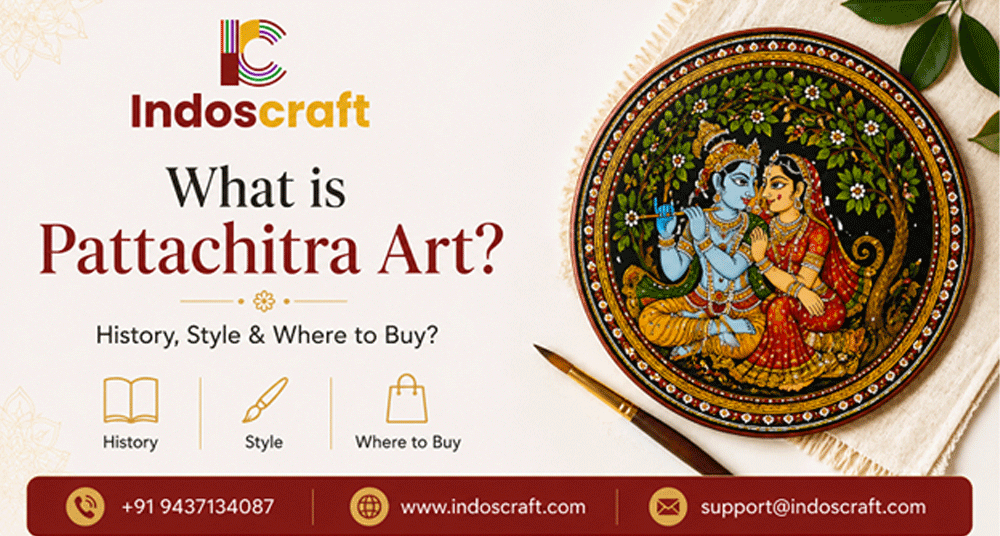
What Is Pattachitra Art?
There is a village in Odisha called Raghurajpur where the walls of houses are painted.
Not because someone commissioned murals. Because the people who live there are Chitrakars — hereditary painters — and painting is not what they do for work. It is what they are. The distinction matters more than it sounds.
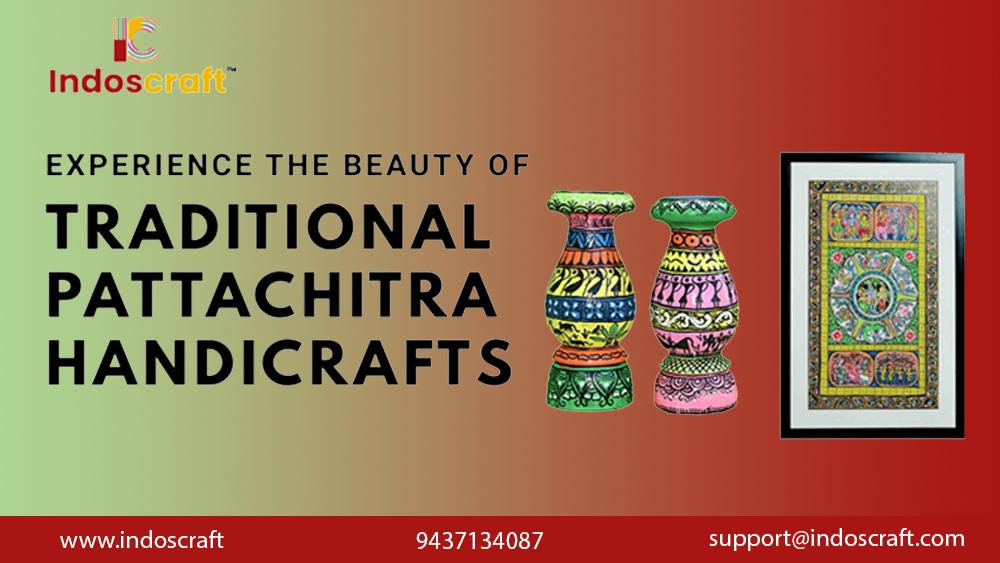
Pattachitra comes from this world. Patta — cloth. Chitra — picture. A painted cloth narrative tradition over a thousand years old, rooted in the temple town of Puri and still practiced today by the same families, using pigments they prepare themselves, telling devotional stories their ancestors told to pilgrims who had walked weeks to reach the Jagannath temple.
Call it folk art, and you miss the point. This tradition has a rigour and continuity that most things people label ancient cannot honestly claim.
The History Nobody Simplifies Properly
Pattachitra's origin sits inside the Jagannath temple — specifically inside a ritual called Nabakalebara, where the deity's wooden form undergoes periodic sacred renewal.
During this ceremony, painted pattachitra panels served as temporary representations of the idols. The Chitrakars who created them held hereditary positions within the temple's ritual structure. Their work was liturgical — not decorative.
Pilgrims began requesting portable versions to carry home. The tradition stepped outside temple walls without losing its essential character. Iconography stayed consistent. Technique stayed meticulous. The stories remained the same stories.
What expanded was the audience. What survived intact was the practice itself.
How It Is Actually Made?
The cloth base comes first — treated with tamarind seed paste and chalk powder, built up in layers until the surface accepts paint with the consistency of primed canvas.
The border always precedes the central image. Always. In authentic traditional pattachitra art, the border receives the same attention as the narrative inside it — elaborate, precise, time-consuming. Rushed commercial production cuts corners here because most buyers do not look carefully enough.
You should look here first.
Colours are prepared from natural sources — conch shell white, lamp black, mineral pigments, vegetable dyes. No synthetics in genuine pieces. The palette has a quality that approximations do not match, even when the colours appear superficially similar.
Brushes come from fine animal hair. The characteristic pattachitra line — wide-eyed figures, sideways faces, flat perspectives that deliberately ignore Western naturalism — requires trained hands and the right tools working together. One without the other produces something that looks approximately right and reads completely wrong.
What to Actually Look for When Buying?
Size impresses. Quality endures.
Most people evaluating pattachitra handicraft online are drawn to large, complex central images. Wrong starting point.
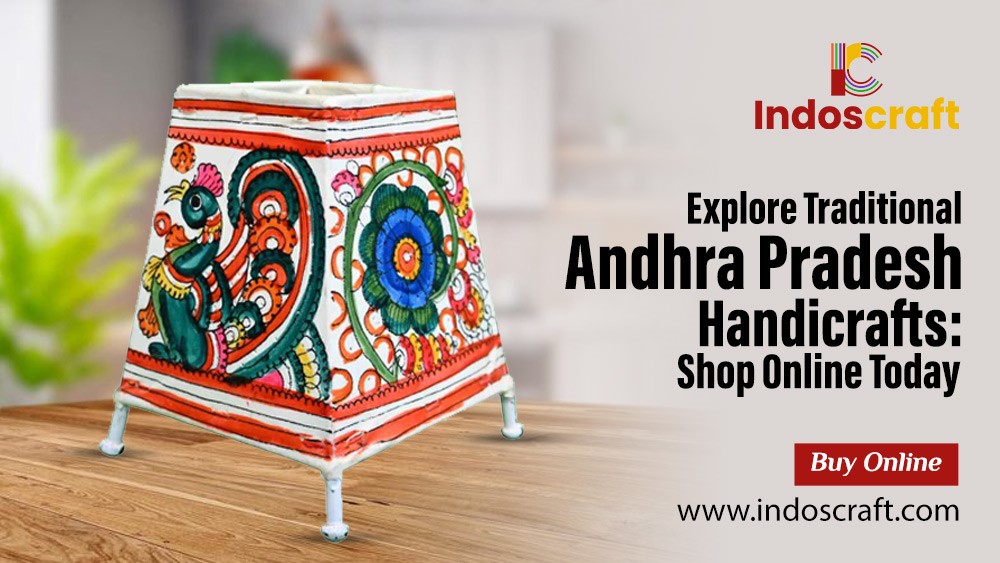
Border quality tells you more about a piece than anything else. Fine, consistent, detailed borders take real time — time that volume-focused sellers do not invest. Authentic pieces from genuine Chitrkar families show this immediately.
Figure details — eyes, fingers, extremities — reveal training depth. Confident lines with no visible hesitation or correction. This is clear in photographs if you know how to look for it.
Artist provenance matters in ways it does not for most craft categories. Pattachitra is hereditary. A piece made by a third-generation Chitrkar from Raghurajpur carries something a stylistic imitation does not — regardless of surface similarity.
Where to Buy Pattachitra Art Online?
The platform shapes what you actually receive as much as the artist does.
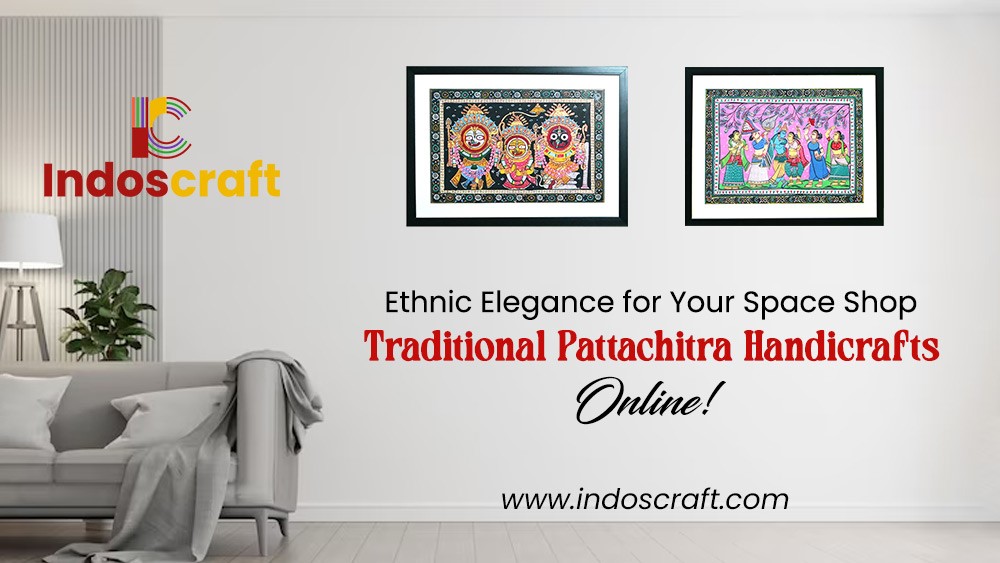
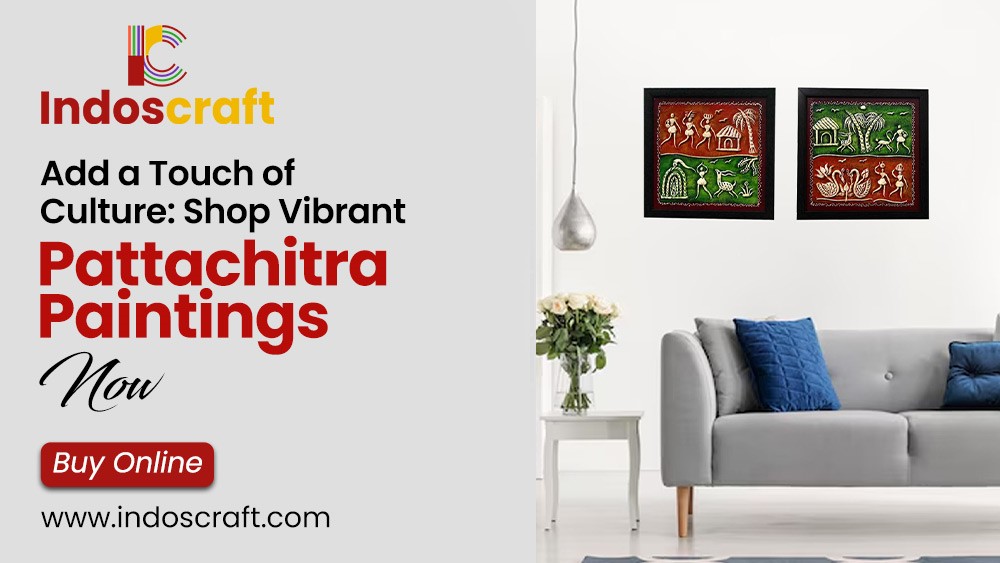
Indoscraft sources buy pattachitra online pieces directly from Chitrkar families in Raghurajpur — the designated heritage craft village where this tradition is most concentrated and most carefully maintained.
Their traditional handicrafts, pattachitra collection, identify artists, maintain fair pricing, and provide the iconographic context that transforms a decorative purchase into an informed one.
Shop Our Collection
These pieces were made by people whose relationship with this tradition runs through family, through ritual, through a specific understanding of why these particular stories deserve to be painted this particular way.
Browse the Pattachitra collection at Indoscraft — before the next occasion makes the decision feel rushed.FAQs
Material specificity and hereditary lineage both. The tamarind-treated cloth base ages differently from paper or canvas. Techniques passed directly between generations produce line quality and iconographic consistency that learning from instruction alone does not replicate — the difference shows in the work even when the subject matter looks similar.
Border quality first — then line consistency in figure extremities — then artist provenance. Platforms that identify the Chitrkar family behind each piece are taking authenticity seriously. Indoscraft provides this information as standard, which is itself a reliable indicator of how the sourcing was handled.
Exceptionally so. The craft carries specific history and iconographic language that gives genuine depth beyond visual appeal — a context that makes the piece worth discussing rather than simply displaying. It works across personal collections, home interiors, and cultural gifting in ways mass-produced decorative objects simply cannot approach.
Leave a Reply
Your email address will not be published. Required fields are marked
Comments